26
Projects / Re: Olds 482 stroker build
« on: May 13, 2015, 04:11:33 PM »
Looks like you're movin' right along... great progress! Curious what you piston, main and rod clearances are?

 Show Posts
This section allows you to view all posts made by this member. Note that you can only see posts made in areas you currently have access to.
 ) that was eating modules. Turned out to be a faulty MSD coil. Changed that out to a stock one and problem went away.
 My sincere apologies to the OP for causing the negative direction that this thread has taken.
Chad, PM sent
 (trying to find the silver lining here... LOL ).
  cheers
. Pull your panties up Joe never called you anything....,,wow
Sent from my iPhone using SoCal Jet Boats
Not going to get on the soap box.
But why in the ever loving hell you anyone rep that crap? I would not have even offered to sell that garbage in my shop when I had it.
I guess people will do anything to make a quick buck...
Here is my thinking (then I will hop down off the box).
I am the shop owner... I order the material for stock, keep it in inventory, pay the inventory taxes on it, pay someone to sell it and/or fill the order, take the money, deposit in my bank account, print receipt... Then when it comes back, pay someone to perform the return, box the bitch back up, pay someone to ship it back to the distributor. It cost me money to sell a counterfeit, third world complete piece of shit..... How is that even sustainable?
Am I the only one that sees it that way?
Glad you got your cash back.
GT

IMHO, WD-40 is too thin to properly prevent micro-welding of the rings to the bores and ring lands. I would also worry about it diluting your oil on first fire. I have always used the same oil as will be run during break-in to lube everything that doesn't specifically get assembly lube applied.
I have heard that sprinkling Ajax into the carb during break-in helps to seat the valves, but I would never know because I would never try that.
Well, I look at it this way. Since he was already bitten in the buttocks by a $300 piece, he may as well see what quality looks like for $340.
Could be wrong, it's always been easy for me to spend other people's cash. Lol.
GT
Sent from my SCH-I545 using SoCal Jet Boats mobile app


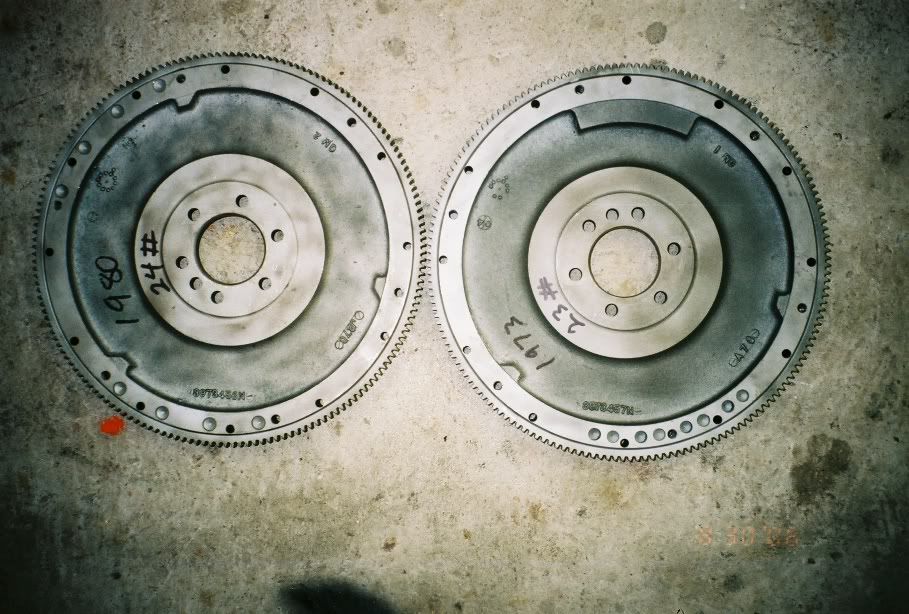
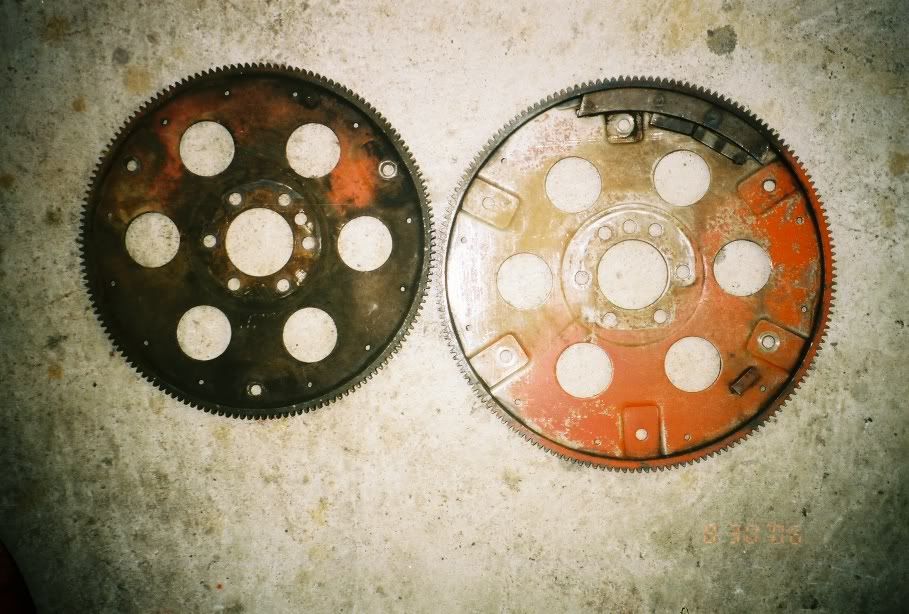
The pins on mine slide all the way thru. Allen head bolt holds them in place
Since your getting a new coat of paint on it have u tried heating the out side of it or pulling Out the set screw and putting a screw driver in and try sliding it out
I was also always told the higher the ring land is on the piston the tighter the gap should be. That always seemed counter intuitive to me.
Maybe someone can tell me why. My suspicion has always been to prevent pressure build up under the top ring, but that is just a guess. My Venolia pistons only have about .2" of upper land above the ring. Whereas the JE version of the same slug is .325". That is what brought it up.
I will say that the Venolia's are coated.
GT
Ring gap is a product of circumference, ring material, and intended application. The ring lands are the hottest running porting of the piston because of the friction generated at the ring/bore interface. As the rings heat, they expand. This expansion is along the circumference of the rings and causes the ends to come into contact with each other, applying force to the cylinder walls and against the lands of the piston.
Ring seal is a function of the rings outer geometry interacting with the bore diameter, not the end gap. This means that combustion gases are not going to leak through the the gap, run around the outside diameter of the piston ring land, and then down through the next ring gap. There's just not enough time in 1/42 of a second at 5000 RPM. The goal, when optimizing an engine combination is to get the ring ends to just close up and contact within .001, but not actually touch. That requires a lot of trial and error along with teardown and inspection until right.
I would strongly suggest looking up the ring manufacturer's recommendation for end gap in thousandths of an inch per bore diameter for that specific ring. Then add the suggested amount in the event of supercharging and/or nitrous oxide, even if it is planned in the future.
It is better to error on the large side rather than be too tight.
Good luck,
Joe
Smog for one, restrictive (read quiet) exhaust, and all the accessories draw major power, all that is taken into account when rating.
I still say, with heads only, 30 HP would be a major stretch. That would make it a 350 hp engine. The Ass-O-Nometer would barely flinch.
JMHO.
Be an interesting experiment though. Do it in stages:
Heads
Cam
Rocker ratio
Intake manifold
Exhaust
Carburetor
Ignition
Pump work
And document the results at each stage.
That would be sweet.
GT
Sent from my SCH-I545 using SoCal Jet Boats mobile app
